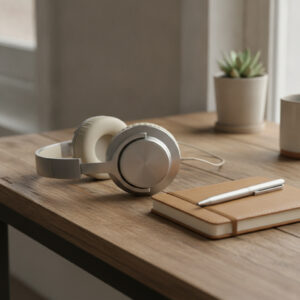
אוזניות תוך-אוזן: התאמה, אטימה ונוחות לאורך שעות
30 ביוני 2026
מדריכי אוזניות, רמקולים, פטיפונים וכלי נגינה — מה באמת משנה לפני שקונים
ציוד שמע הוא אחד התחומים שבהם קל מאוד לשלם על הדבר הלא נכון. המפרטים ארוכים, המספרים נשמעים חשובים, וכמעט כל מה שנכתב באינטרנט בעברית נכתב כדי למכור משהו. האתר הזה מנסה לעשות את ההפך: להסביר מה כל מספר במפרט בעצם אומר, מה משפיע על מה שתשמעו בפועל, ומה אפשר להתעלם ממנו בשקט.
אין כאן חנות, אין קישורי שותפים, ואין דירוגים של "עשרת הטובים ביותר". יש הסברים לפי קטגוריה, כדי שתגיעו לחנות — פיזית או באינטרנט — ותדעו מה לשאול.
| מה אתם רוצים | איפה להתחיל | השאלה שבאמת קובעת |
|---|---|---|
| להאזין למוזיקה בדרכים | אוזניות אלחוטיות | כמה שעות ביום, ובאיזה רעש רקע |
| להאזין בבית, בשקט, באיכות | אוזניות חוטיות ואולפן | פתוחות או סגורות — ומי עוד נמצא בחדר |
| מוזיקה ברקע בסלון | רמקולים | גודל החדר, לא הספק הרמקול |
| לשמוע דיאלוגים בטלוויזיה | סאונד בר ושמע לטלוויזיה | אם החדר פתוח למטבח |
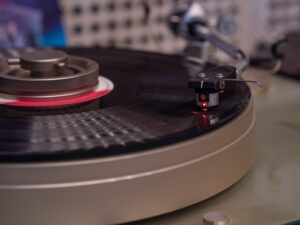
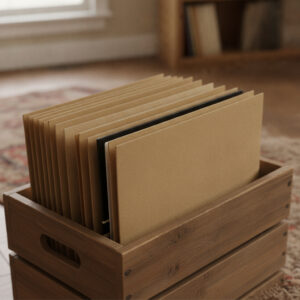
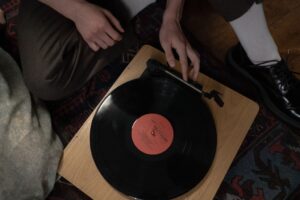
| להקים פינת תקליטים | פטיפונים ותקליטים | אם יש פריאמפ פונו — ואיפה |
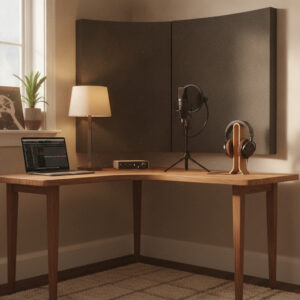
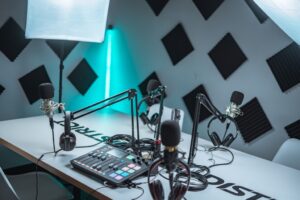
| להקליט קול, פודקאסט או שיעור | מיקרופונים | איך נשמע החדר, לפני איך נשמע המיקרופון |
| לחבר מיקרופון או כלי למחשב | כרטיסי קול וחיבורים | כמה מקורות בו-זמנית |
| להקליט בבית ברצינות | אולפן ביתי | האקוסטיקה של החדר, כמעט תמיד |
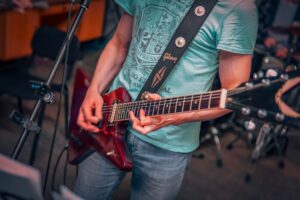
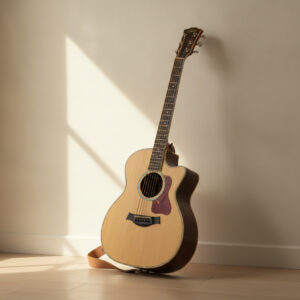
| להתחיל לנגן בגיטרה | גיטרות | אקוסטית או חשמלית — ולמה |
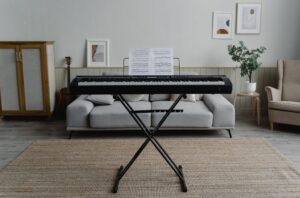
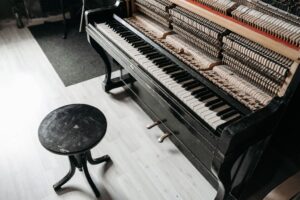
| פסנתר או קלידים בבית | פסנתרים וקלידים | מקשים משוקללים או לא |
| לא יודעים מאיפה מתחילים | מתחילים לנגן | כמה זמן ביום, באמת |
| לשמור על השמיעה | שמיעה והקשבה בטוחה | עוצמה לאורך זמן, לא עוצמה לרגע |
החדר משנה יותר מהציוד. רמקול בינוני בחדר מטופל ישמע טוב יותר מרמקול יקר בחדר עם הד. זה נכון להקלטה בדיוק כמו להאזנה, וזה החלק שכמעט אף מפרט לא מזכיר.
רוב המספרים במפרט לא אומרים מה שנדמה. "הספק" ברמקולים, "תגובת תדר" באוזניות ו"רזולוציה" בכרטיסי קול הם שלושה מספרים שאפשר לפרסם בצורה מטעה לגמרי בלי לשקר. בכל קטגוריה נסביר אילו מספרים כן שווים תשומת לב.
יקר יותר מפסיק להשתלם מוקדם מכפי שנדמה. כמעט בכל קטגוריה יש נקודה שאחריה משלמים הרבה יותר עבור שיפור קטן מאוד. חלק מהתפקיד של המדריכים כאן הוא להגיד איפה הנקודה הזאת נמצאת.
הכתיבה באתר נעשית על ידי שני כותבים שאינם מהנדסי סאונד, מוזיקאים מקצועיים או עובדים של יצרן כלשהו. מה שאנחנו כן עושים מוסבר בעמוד האודות, וגם מה שאיננו יודעים.